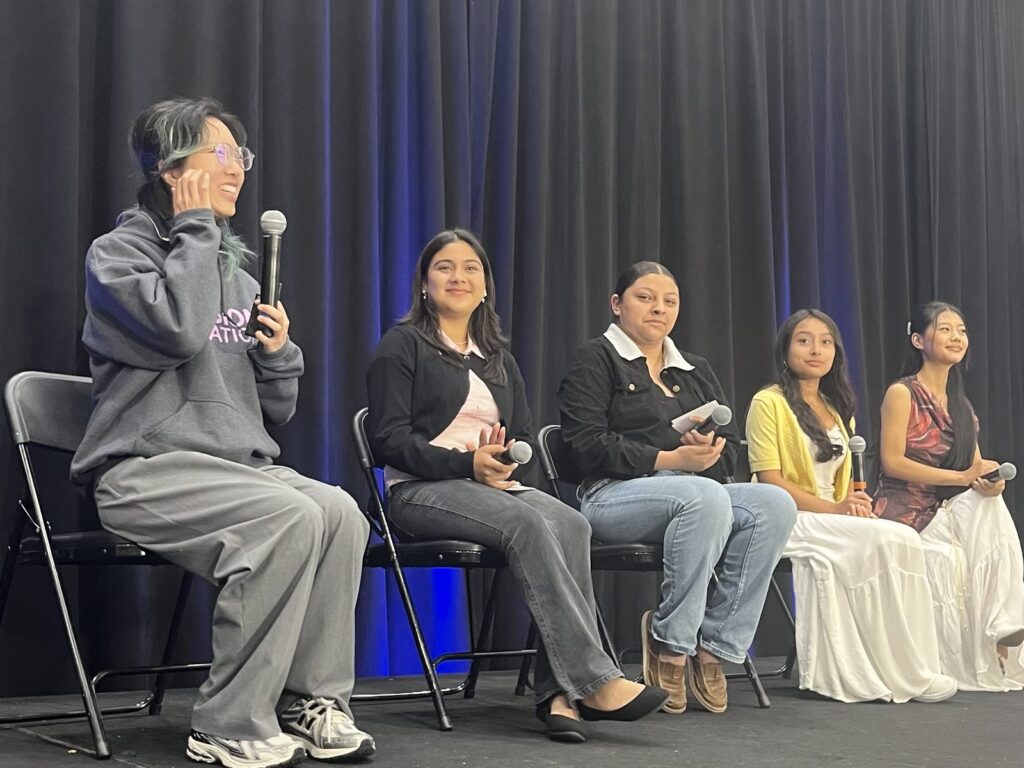

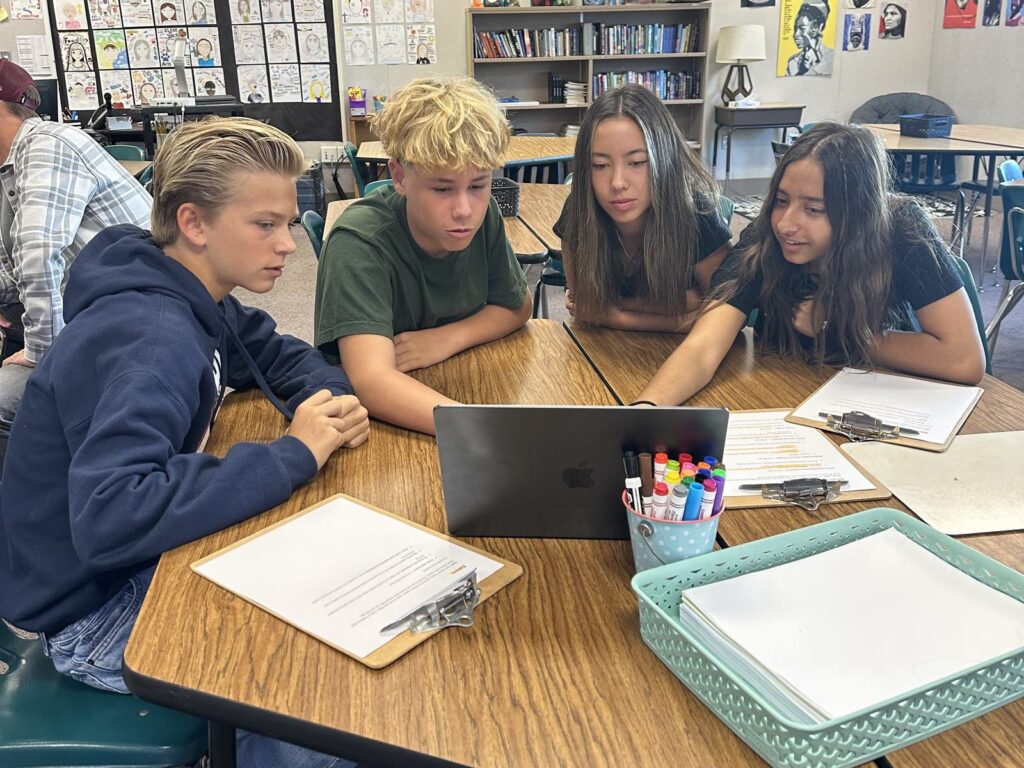
San Marcos Unified School District’s (SMUSD) middle school redesign began during a leadership session when a student said, "Middle school is not the middle of anything. We're our own thing, and we're tired of being treated like we're in between." Her sentence named the problem plainly: middle school students need an experience designed specifically for who they are as adolescents, not simply a bridge between elementary and high school.
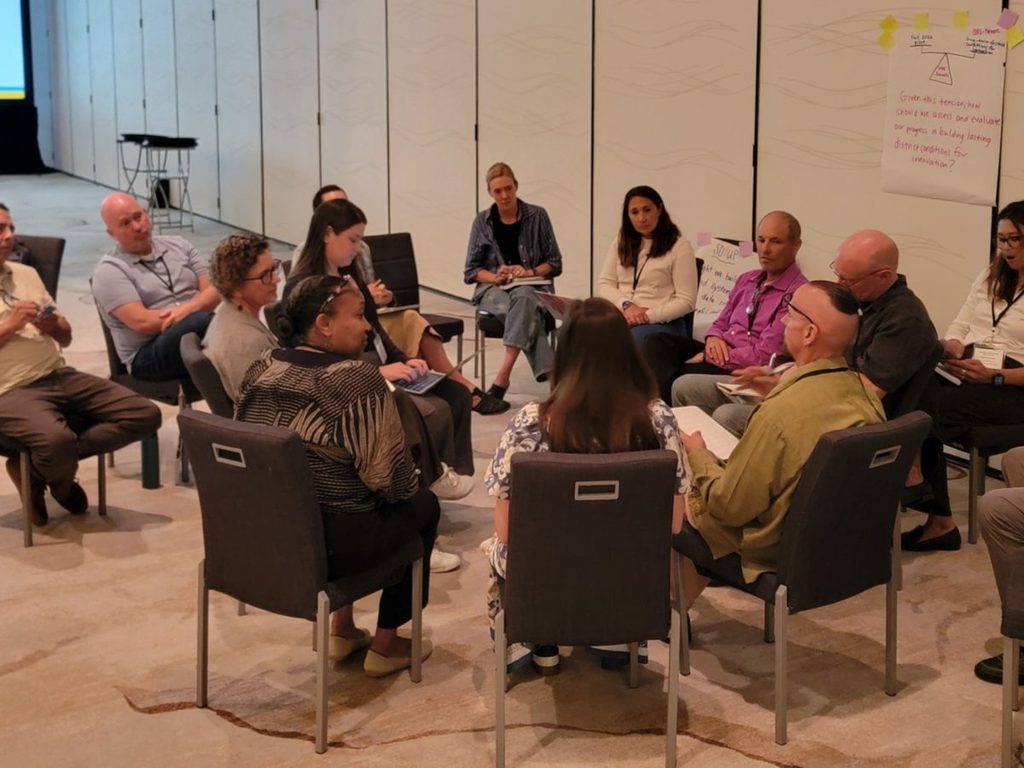
Instead of adopting another program or searching for a quick fix, SMUSD leaders shifted the question they were asking. Not what to adopt, but what conditions would enable students and educators to thrive. That shift began with adults learning together. Leaders across the district studied research on adolescent development, engaged students and families in extended listening, and built shared understanding before making any design choices. SMUSD anchored the redesign in four pillars across all three middle schools: grounded in community and connection, personalized and flexible, co-created through shared power, and skill driven and relevant.
Two years in, indicators across multiple domains are moving in the right direction. Across all three middle schools from 2024 to 2025, students reported gains in belonging (61 to 65%), support from adults (60 to 65%), and respect from peers (49 to 55%). In-school suspensions dropped from 21 to 1. iReady, CAASPP, and STAR Reading indicators are all trending upward. And principals describe a real shift in how they walk classrooms: less about whether a practice is present, more about whether the environment matches what we know about how adolescents grow. None of this is being driven by a single initiative. It's the result of building a coherent, research-informed system that better reflects how adolescents learn, connect, and thrive.
Redesign is a process, not a moment. That is what SMUSD is showing. The district started by shifting mindsets, culture, and classroom practice, all grounded in a shared understanding of the research. The evidence is already visible in belonging, discipline, instruction, and academics. And the work is not done.
As those early shifts take root, teachers and leaders are beginning to see the ways existing structures were built for a different vision of middle school, one that treated it as a bridge between elementary and high school rather than as its own developmental moment. How do you build a schedule that gives teachers real collaboration time and gives students longer stretches for deeper learning? How do you organize the day to make room for interdisciplinary work, community-based projects, and the kinds of social connection adolescents need? How do the structures of school reinforce each other rather than pulling in different directions?
SMUSD is asking those questions from a foundation of practice grounded in the science of learning and centered on the conditions students need. Because so much of the mindset and research work has already happened, structural changes like schedule and period length become easier to design toward, since the district and community knows what it's aiming for. For any network wrestling with middle school redesign, or with how to move from adopting programs to designing systems, this is a case worth studying. Read the Middle School by Design report (opens in a new tab).