
Proof points
Redesign in action
Bright spots are stories from the field: promising practices, meaningful progress, and inspiring moments from schools, districts, networks, and communities across California.
Featured case study brief
Learning in the Real World: Redesigning for Relevance at Arroyo Valley High School
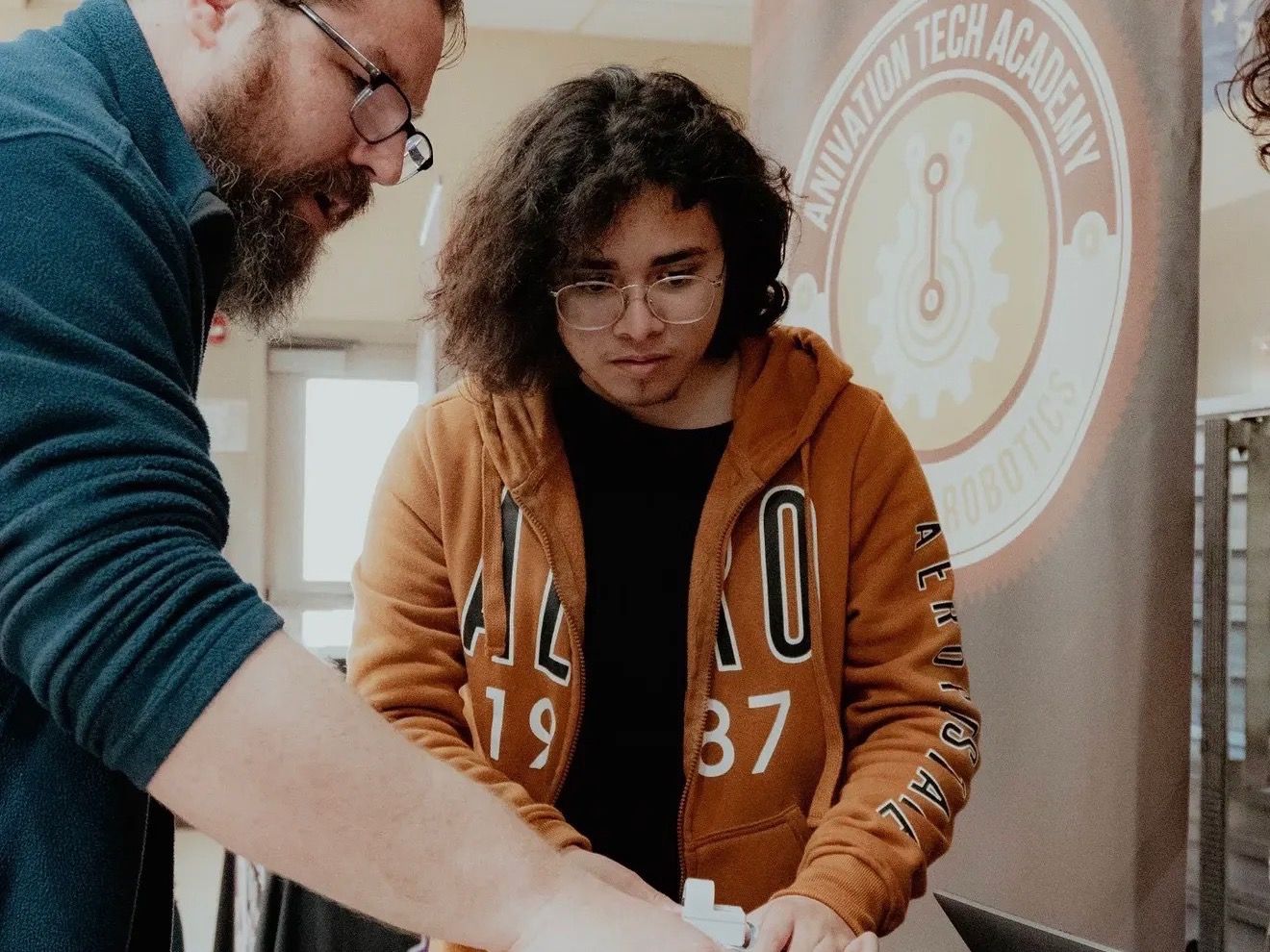
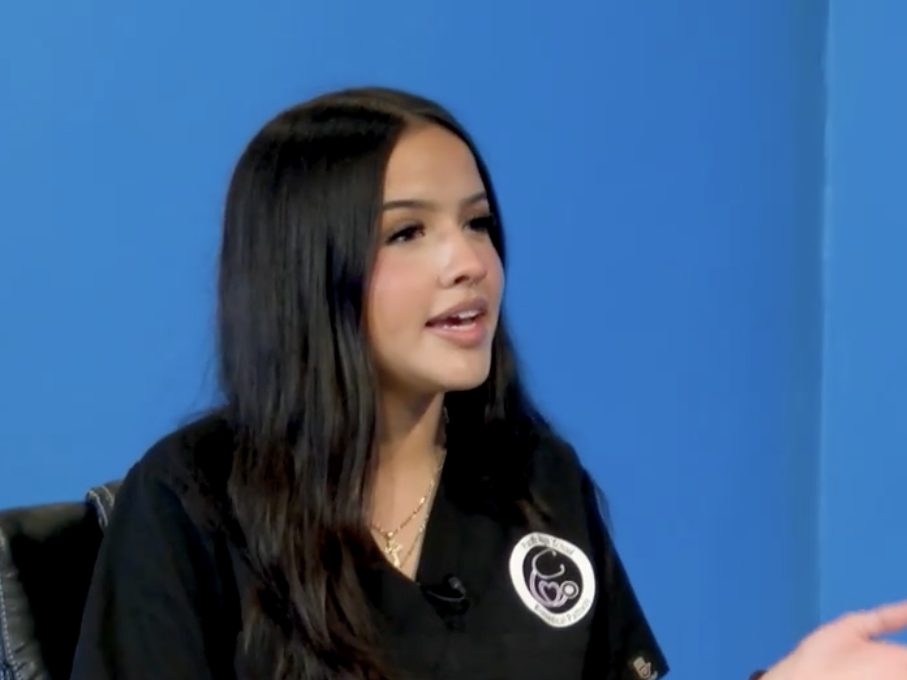
Arroyo Valley High School shows how a large comprehensive high school can give students meaningful learning opportunities anchored in authentic industry experiences. Its wall-to-wall Linked Learning model organizes nearly 2,600 students into industry-themed pathways, connecting academic and technical learning through projects ranging from historical research using mapping software to solar panel installation.
San Bernardino City Unified · Published October 2026
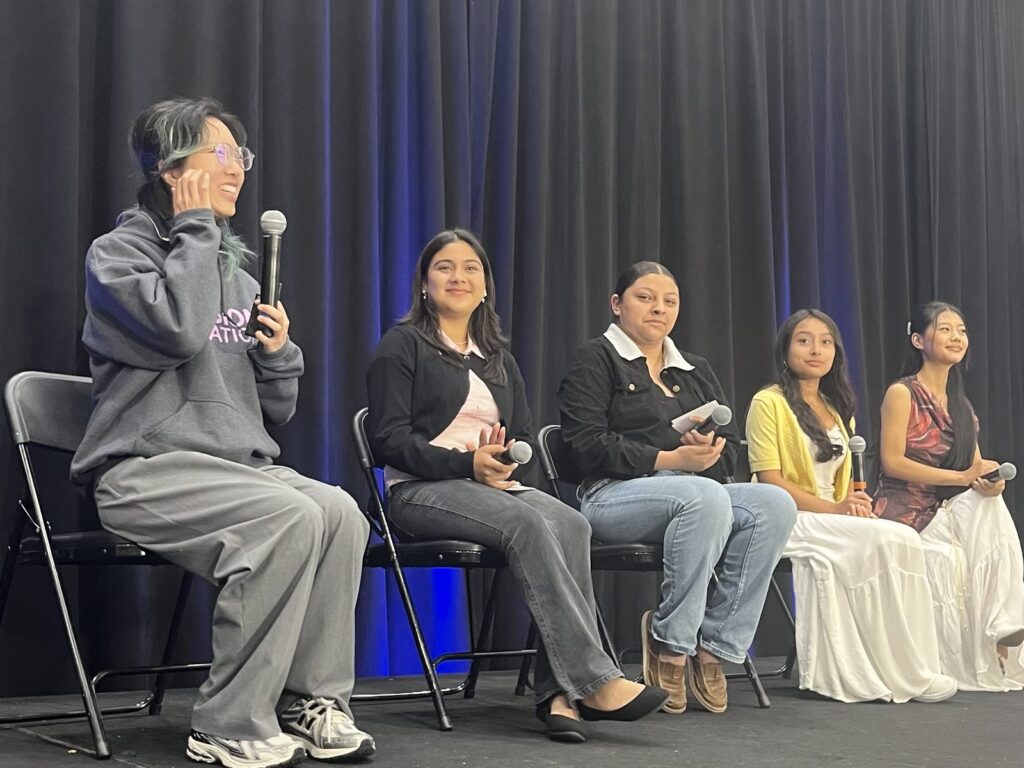
Case Study Briefs: San Bernardino City Unified School District
-
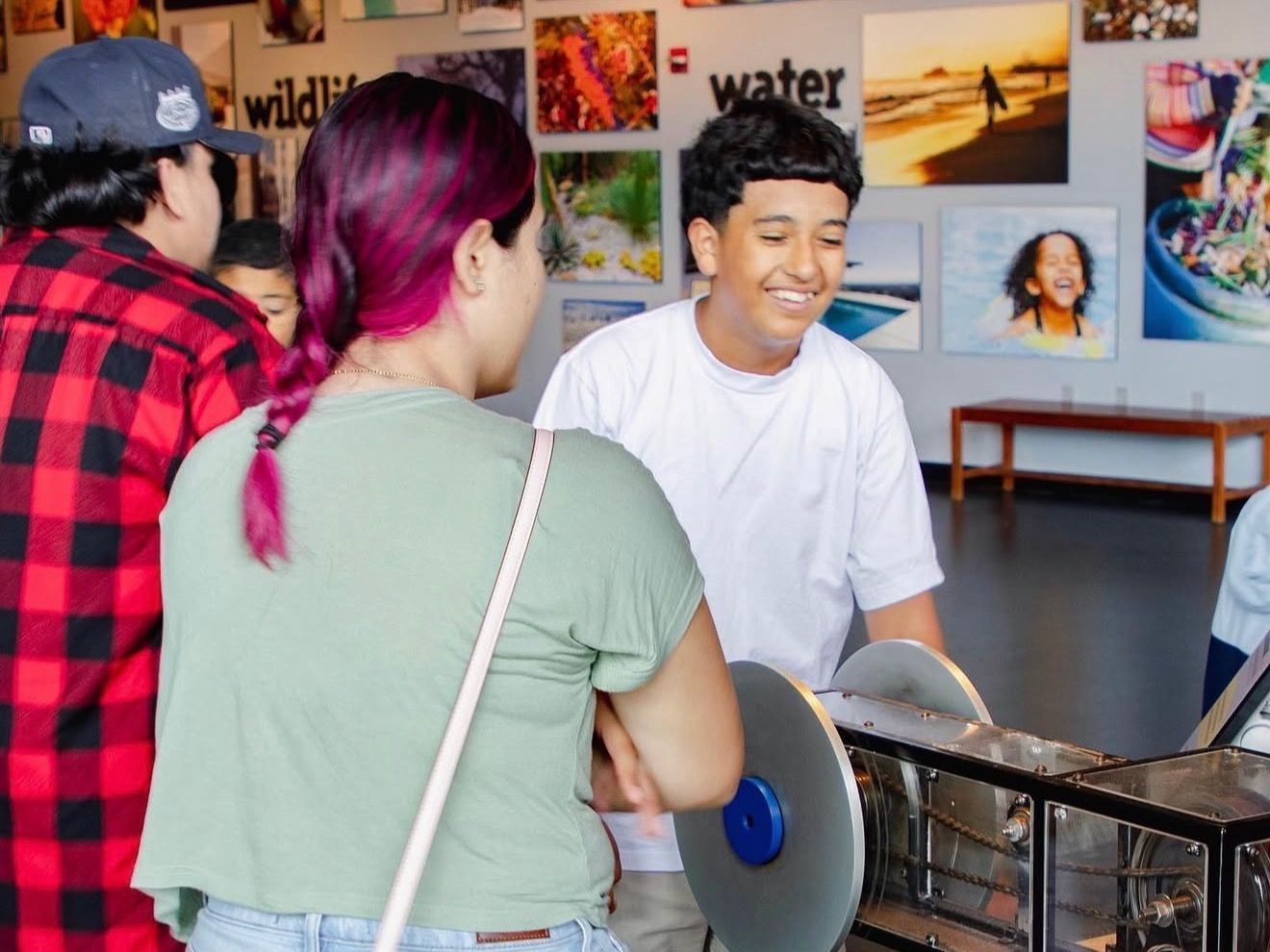
Design Thinking in the Middle Grades: Redesigning Learning at Magnolia Heights Middle School
Published October 2026
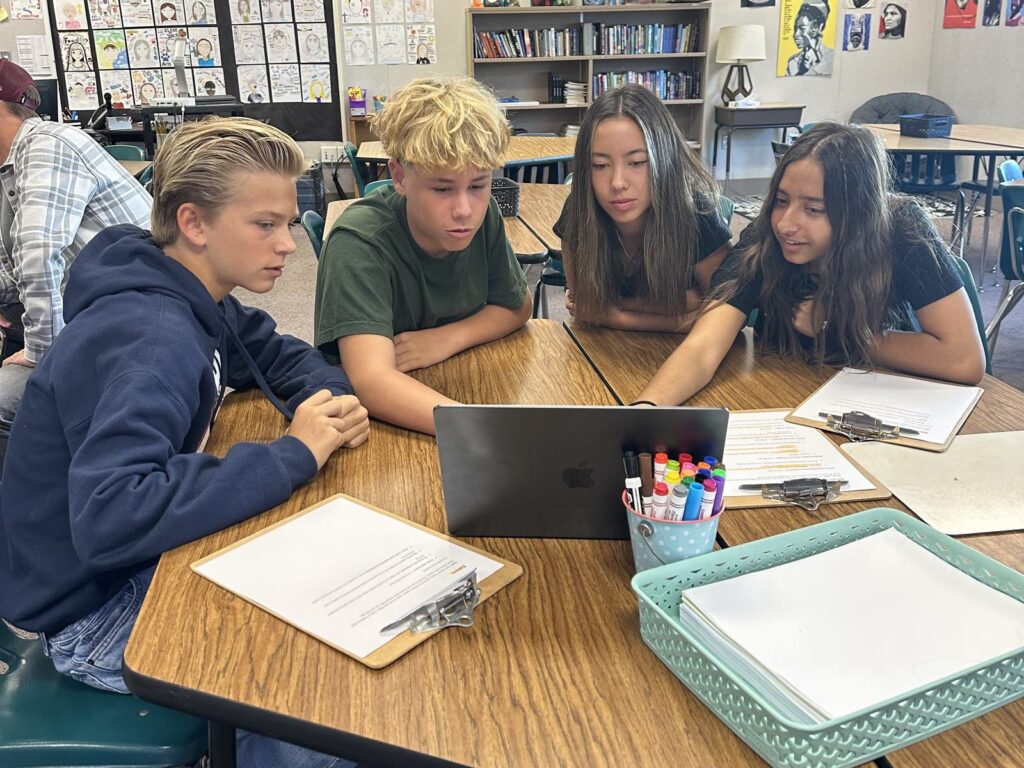
Magnolia Heights Middle School shows how a school and district can organize the middle grades around challenging academics and hands-on exploration. Every student participates in a Linked Learning Gold-certified Design pathway integrated with the International Baccalaureate Middle Years Programme, applying academic knowledge through inquiry-driven projects like designing windmills while studying kinetic energy. School and district structures sustain this learning. Teaching teams share cohorts of 100–185 students and use common planning time to develop interdisciplinary projects and coordinate support. San Bernardino City Unified’s purposeful pathways connect middle school exploration with high school opportunities, while district instructional support and funding for substitute coverage help teaching teams develop the work. Between 2021–22 and 2024–25, chronic absenteeism fell from 30% to 19%, below the district’s 30% average in 2024–25. Over the same period, the shares of students meeting or exceeding state assessment standards rose from 31% to 34% in English Language Arts and from 16% to 20% in Math.
-
Learning in the Real World: Redesigning for Relevance at Arroyo Valley High School
Published October 2026
Arroyo Valley High School shows how a large comprehensive high school can give students meaningful learning opportunities anchored in authentic industry experiences. Its wall-to-wall Linked Learning model organizes nearly 2,600 students into industry-themed pathways, connecting academic and technical learning through projects ranging from historical research using mapping software to solar panel installation. Every pathway includes courses carrying college credit through articulation or dual enrollment. School and district structures sustain this learning. A master schedule keeps pathway cohorts together for four years, designated Mondays provide pathway planning time, and a district-funded program specialist aligns courses and brokers partnerships. San Bernardino City Unified supports the work through a merged academic and career technical education office, braided funding, and common criteria for labor market demand, enrollment, and completion. Arroyo Valley’s graduation rate rose from 94% in 2021–22 to 96% in 2024–25. That year, 59% of graduates were classified as prepared on California’s College/Career Indicator; both measures exceeded district and state rates.
The newsletter
Common Ground archive
Every issue of Common Ground, the network’s newsletter, newest first.
A Shared Definition, Alive
Coming to Life
Learning From One and Another
Making the Case
Your part
Seen a bright spot?
A student project, a practice that’s working, or a moment worth celebrating. We want to hear about it.
Who are you nominating?
Tell us about the bright spot
What can others learn from it?
How can we learn more?