
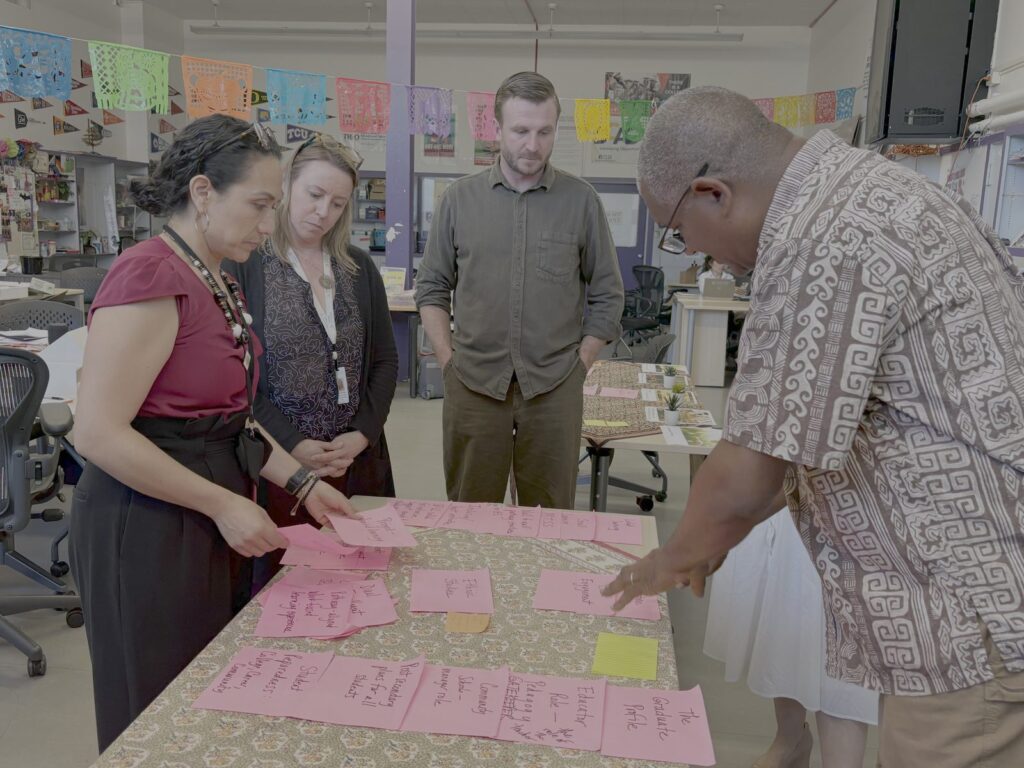
Oakland Unified School District (OUSD) is using a Liberatory Design approach to rethink how students are prepared for the district’s Senior Capstone Project, a yearlong research project through which seniors demonstrate their readiness for college, career, and community. OUSD is doing this work with CORE Schools, an initiative of CORE Districts (opens in a new tab), one of our pilot networks, in partnership with the National Equity Project (opens in a new tab).
The Capstone is one strategy for students to demonstrate mastery of the district’s Graduate Profile competencies, and one of the strands OUSD has woven into coherent, community-connected learning. It anchors the kind of deep, project-based learning the district wants every graduate to have had by the time they walk the stage.
The Senior Capstone sits within OUSD’s broader Linked Learning Pathway model. OUSD schools weave rigorous research and industry and pathway-related standards into the Senior Capstone, making this project a natural culmination rather than an isolated experience for seniors. Students sit in small learning communities and industry-themed pathways where they are known across their high school years. Teaching teams who share the same students meet during protected weekly planning periods to coordinate instruction and student support. Linked Learning pathways integrate rigorous academics with work-based learning and comprehensive student supports for academic and student well-being. Community schools weave in on-site wellness supports and family partnerships. For a deeper look, see the Learning Policy Institute’s recent case study briefs on Fremont High School (opens in a new tab) and Oakland High School (opens in a new tab).
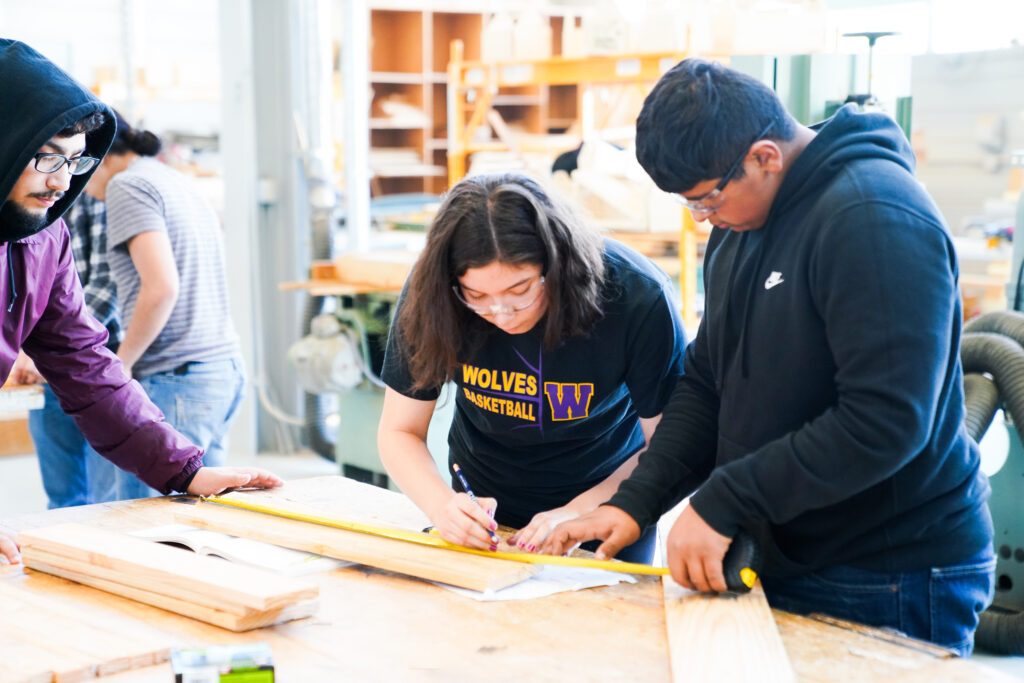
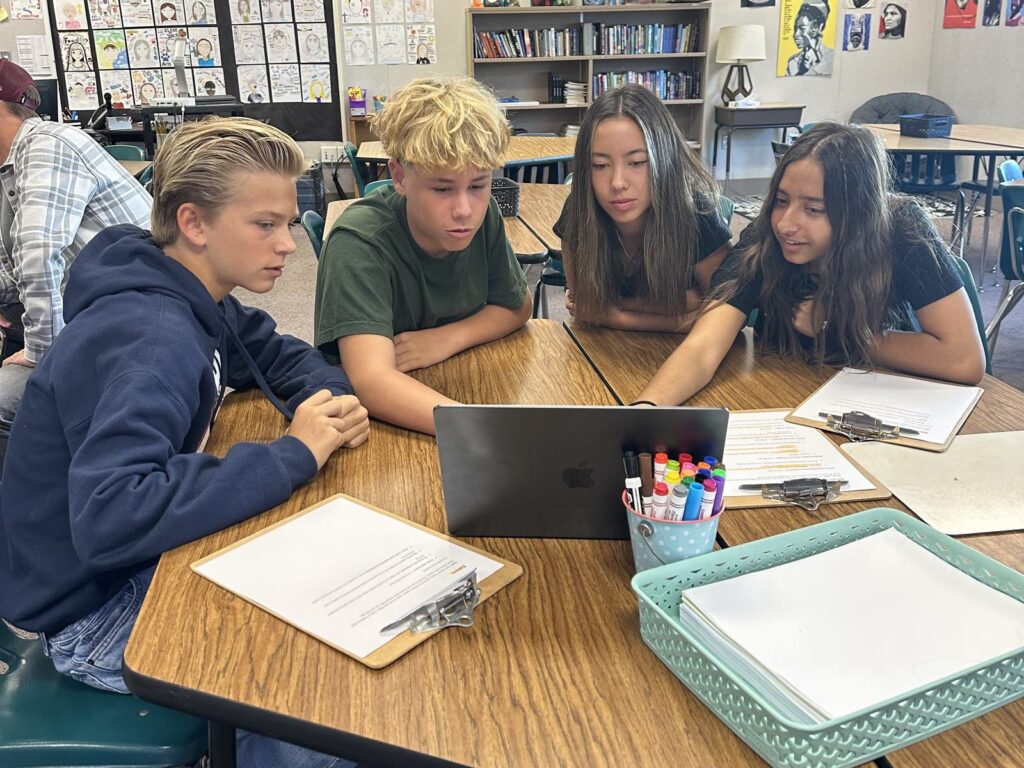
As Oakland continues to deepen its redesign efforts, attention has turned to strengthening the Capstone experience across the district. Rather than jumping immediately to solutions, the OUSD CORE Schools District Planning Team began by trying to deeply understand the current student and educator experience. The team observed 39 Capstone presentations across 8 schools and 14 pathways, conducted 120 student interviews and 8 teacher interviews, and used what they learned to identify both strengths and persistent barriers. Students described Capstone as a meaningful and often proud milestone, but their experiences varied considerably. Students who had earlier opportunities to conduct research, present publicly, and complete smaller performance-based projects felt much better prepared. Others encountered long-form research writing, complex evidence, professional outreach, and solo presentations for the first time during their senior year.
As one student explained, “Being put on the spot with presentations helped me. I was very quiet, but doing presentations from 9th through 11th grade built my confidence.”
Those findings led to a different design question: How might we create intentional 9th-11th grade learning experiences that build the skills, knowledge, and agency students need to succeed in Capstone before they graduate? OUSD is now developing a Capstone Readiness design opportunity in which 9th-11th grade teachers will design and pilot Capstone-aligned performance assessments that engage students in meaningful, real-world learning while progressively building the skills they will need as seniors.
That’s school and system redesign in action: start by listening carefully to the people living the experience, let what you hear sharpen the question, and then design toward an answer. Stay tuned for more of what they learn.